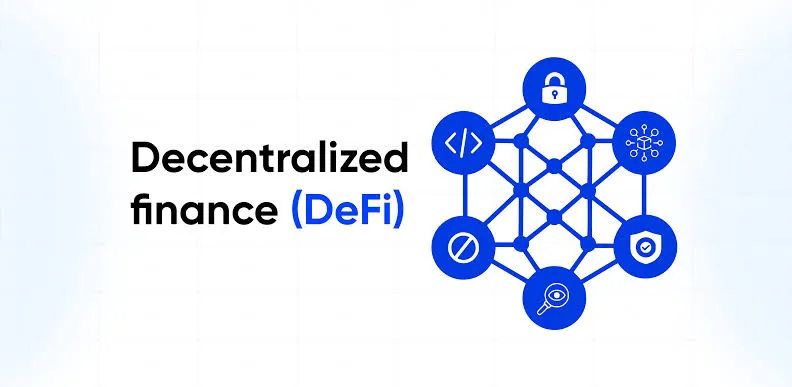
Decentralized finance, commonly known as DeFi, is entering a new stage of development as institutional investors and fintech firms explore blockchain-based alternatives to traditional banking services. Built on smart contract technology, DeFi platforms offer lending, borrowing, trading, and yield-generation services without centralized intermediaries. While early growth was fueled by speculative activity, the sector is gradually shifting toward more sustainable financial infrastructure and real-world applications. Improved security frameworks and regulatory discussions are supporting broader adoption, although concerns over hacks, compliance, and liquidity risks remain. The evolution of DeFi could significantly reshape how financial services are delivered in the digital economy.
DeFi Expands Beyond Early Hype Cycles
The decentralized finance sector has evolved considerably from its early speculative phase. Initially driven by high-yield incentives and rapid token launches, the market is now focusing more on utility, transparency, and long-term sustainability.
This transition is helping DeFi gain credibility among institutional investors and technology-focused financial firms.
How DeFi Replaces Traditional Intermediaries
DeFi platforms use blockchain-based smart contracts to automate financial transactions without relying on banks or brokers. Users can lend, borrow, trade, and earn yield directly through decentralized protocols.
This model reduces operational friction and allows financial services to operate continuously without centralized oversight.
Institutional Interest Continues to Grow
Large financial institutions are increasingly studying DeFi infrastructure for potential integration into mainstream finance. Areas such as tokenized lending, on-chain settlements, and automated liquidity management are attracting particular attention.
Institutions see long-term potential in the efficiency gains offered by programmable financial systems.
Stablecoins Fuel DeFi Liquidity
Stablecoins remain a foundational component of the DeFi ecosystem, providing liquidity and reducing volatility in blockchain-based transactions.
Their growing adoption has enabled decentralized protocols to support more sophisticated financial activities, including derivatives and cross-chain asset transfers.
Security Challenges Remain Significant
Despite progress, DeFi platforms continue to face security risks. Smart contract vulnerabilities, protocol exploits, and liquidity attacks have resulted in substantial financial losses across the sector.
As a result, developers are increasingly prioritizing audits, insurance mechanisms, and risk management tools to strengthen user confidence.
Regulatory Pressure Intensifies
Regulators are paying closer attention to DeFi as transaction volumes and user participation increase. Authorities are evaluating how existing financial laws apply to decentralized systems operating without centralized entities.
Compliance requirements around anti-money laundering standards and investor protection are likely to shape the sector’s future development.
Outlook: Toward a Programmable Financial System
The long-term vision for DeFi extends beyond cryptocurrency trading into the creation of a programmable financial ecosystem capable of operating globally and continuously.
If scalability, regulation, and security challenges are effectively addressed, decentralized finance could become a major alternative layer within the future global financial system.
Comments