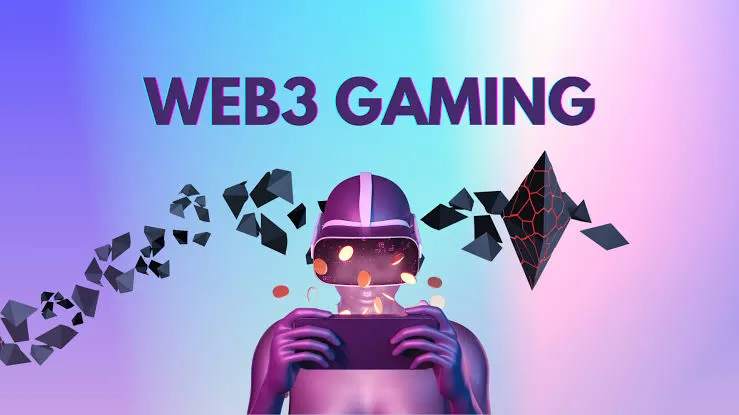
Web3 gaming is emerging as one of the fastest-growing sectors within the digital asset economy, combining blockchain technology, cryptocurrencies and decentralized ownership models to transform traditional gaming ecosystems. Unlike conventional games where publishers retain control over in-game assets, blockchain-based gaming platforms allow players to own, trade and monetize digital items through tokenized economies. Venture capital firms, gaming studios and technology companies are investing billions of rupees into Web3 infrastructure as demand for decentralized entertainment grows globally. While concerns regarding sustainability, user adoption and regulation persist, supporters believe blockchain gaming could fundamentally redefine digital ownership and the future business model of the gaming industry.
Gaming Industry Enters the Blockchain Era
The global gaming industry is undergoing a significant transformation as blockchain technology introduces new forms of digital ownership and player participation. Web3 gaming platforms are increasingly integrating cryptocurrencies, non-fungible tokens and decentralized marketplaces into gaming ecosystems.
Unlike traditional online games where virtual items remain under the control of publishers, blockchain-based games allow players to directly own in-game assets through tokenized systems recorded on decentralized networks.
This shift has created entirely new economic structures within gaming communities. Players can now trade digital items, characters and virtual land across marketplaces, sometimes generating substantial financial value from gaming activity itself.
Industry analysts believe this model could reshape how developers monetize games while creating stronger long-term engagement among users.
Digital Ownership Changes the Business Model
One of the most important innovations within Web3 gaming is the concept of true digital ownership. In conventional gaming ecosystems, purchased items typically remain locked within centralized platforms and may lose value if a game shuts down.
Blockchain technology changes this dynamic by allowing digital assets to exist independently on decentralized ledgers. Players maintain ownership of their assets and can transfer or sell them across compatible platforms.
Supporters argue that this system gives gamers greater economic control while creating secondary marketplaces capable of generating additional revenue opportunities.
The rise of tokenized gaming economies has also introduced new monetization models for developers. Rather than relying solely on game sales or subscription services, studios can build decentralized ecosystems supported by digital asset transactions and community participation.
This approach has attracted strong interest from venture capital investors seeking exposure to the rapidly expanding intersection of gaming and blockchain technology.
Investment in Web3 Gaming Accelerates
Investment activity within blockchain gaming has grown rapidly over recent years. Major gaming studios, technology firms and crypto-focused investment funds are allocating substantial capital toward Web3 gaming infrastructure and development.
Developers are increasingly experimenting with decentralized virtual worlds, blockchain-based esports ecosystems and player-governed gaming economies.
Some analysts believe Web3 gaming could become one of the largest mainstream applications of blockchain technology due to the gaming industry’s enormous global user base.
Younger consumers, particularly those already familiar with digital commerce and virtual economies, are viewed as key drivers of future adoption.
However, despite strong investor enthusiasm, many blockchain gaming projects remain in early development stages and face challenges related to scalability, gameplay quality and long-term sustainability.
Regulation and User Adoption Remain Critical Challenges
Although Web3 gaming continues to expand, the sector faces several significant obstacles. Regulatory uncertainty surrounding digital assets, tokenized rewards and virtual economies remains a major concern for developers and investors.
Governments are increasingly evaluating whether certain blockchain gaming models should be classified under gambling, securities or digital asset regulations. These legal uncertainties may influence how rapidly the industry can scale internationally.
User adoption also remains a challenge. Critics argue that many blockchain games prioritize token economics over gameplay quality, limiting mainstream appeal among traditional gamers.
Cybersecurity risks, including wallet breaches and smart contract vulnerabilities, continue to raise concerns regarding user protection and platform reliability.
Nevertheless, supporters believe the long-term potential of Web3 gaming remains substantial. As blockchain infrastructure improves and gaming experiences become more sophisticated, decentralized gaming ecosystems could fundamentally alter how digital entertainment is produced, monetized and experienced worldwide.
The convergence of gaming, blockchain and digital ownership is increasingly positioning Web3 gaming as one of the most influential sectors within the future digital economy.
Comments