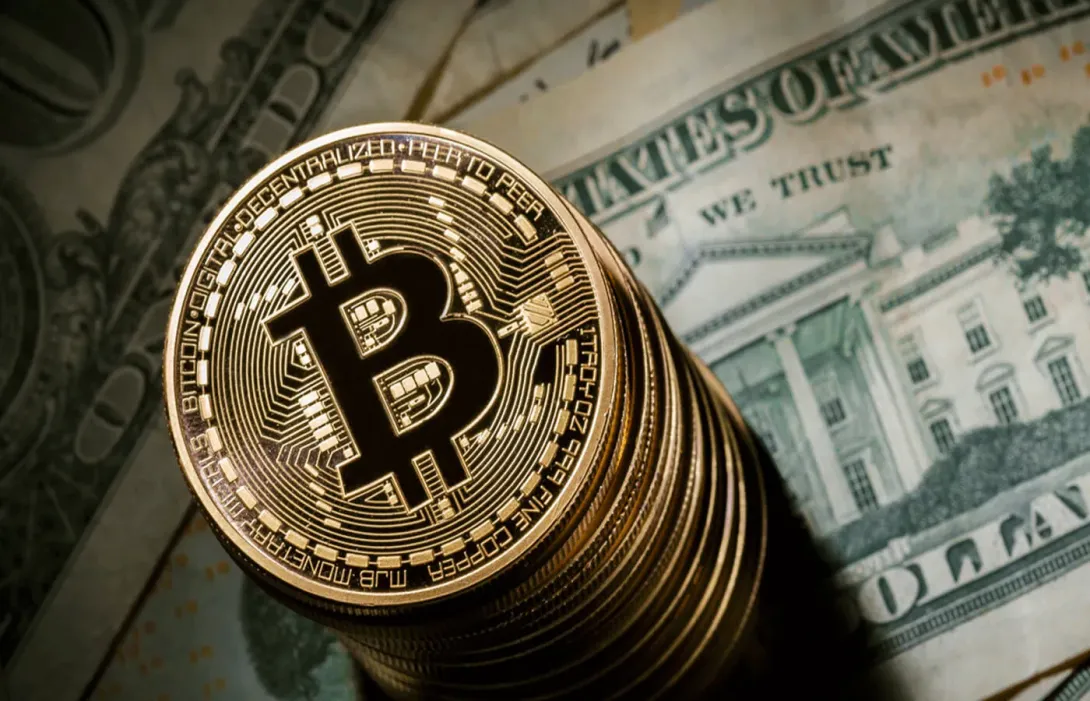
Bitcoin continues to solidify its position as the world’s leading digital asset in 2026, driven by growing institutional participation, evolving regulatory clarity, and increasing mainstream adoption. Once viewed as a speculative instrument, Bitcoin is now widely recognized as a store of value and a hedge against macroeconomic uncertainty. Its integration into financial systems—from ETFs to payment networks—has enhanced credibility and liquidity. However, volatility, regulatory divergence, and technological competition remain key challenges. As global markets adapt, Bitcoin stands at a critical juncture between long-term legitimacy and cyclical risk.
Market Position and Performance
Bitcoin remains the dominant force in the cryptocurrency ecosystem, commanding the largest market capitalization and acting as a benchmark for the broader digital asset market. In 2026, its price trajectory continues to reflect a blend of macroeconomic signals, investor sentiment, and liquidity flows.
Institutional inflows—particularly through regulated investment vehicles such as spot exchange-traded funds—have significantly improved market depth. This has reduced extreme volatility compared to earlier cycles, although price swings still remain a defining characteristic.
Analysts increasingly view Bitcoin not merely as a trading asset but as a strategic allocation within diversified portfolios.
Institutional Adoption and Financial Integration
One of the most defining developments for Bitcoin has been its growing acceptance among institutional investors. Large asset managers, hedge funds, and even sovereign entities have begun incorporating Bitcoin into their investment frameworks.
This shift has been supported by improved custody solutions, clearer compliance standards, and the expansion of regulated financial products. The result is a more stable and liquid market environment.
Additionally, traditional financial institutions are integrating Bitcoin into payment systems and treasury strategies, reinforcing its role as a legitimate financial instrument rather than a fringe innovation.
Bitcoin as Digital Gold
Bitcoin’s narrative as “digital gold” has gained significant traction in recent years. Its capped supply of 21 million coins and decentralized nature position it as a hedge against inflation and currency devaluation.
In periods of global economic uncertainty, investors increasingly turn to Bitcoin as a store of value, similar to precious metals. This perception has been further strengthened by geopolitical tensions and fluctuating fiat currencies.
However, unlike gold, Bitcoin remains highly volatile, which continues to challenge its adoption as a stable safe-haven asset.
Regulatory Landscape and Global Divergence
Regulation remains one of the most critical factors shaping Bitcoin’s future. While some countries have embraced the asset through progressive frameworks, others have imposed restrictions or outright bans.
This fragmented approach creates uncertainty for investors and businesses operating across jurisdictions. Nevertheless, the overall trend points toward gradual normalization, with governments recognizing the need to regulate rather than resist.
Clearer tax policies, anti-money laundering standards, and investor protection measures are gradually bringing structure to the market.
Risks and Competitive Pressures
Despite its dominance, Bitcoin faces several challenges. Competing cryptocurrencies and blockchain platforms offer faster transaction speeds and more advanced functionalities, particularly in areas like decentralized finance and smart contracts.
Environmental concerns related to Bitcoin mining also continue to attract criticism, prompting a shift toward more sustainable energy practices.
Moreover, market sentiment remains sensitive to macroeconomic changes, regulatory announcements, and technological developments, all of which can trigger rapid price fluctuations.
Conclusion: A Maturing Asset in a Dynamic Market
Bitcoin’s journey from a niche experiment to a globally recognized asset class is one of the most significant financial transformations of the 21st century. In 2026, it stands as both a symbol of innovation and a test case for the future of decentralized finance.
While risks remain, its growing integration into the global financial system suggests a trajectory toward long-term relevance. For investors and policymakers alike, Bitcoin is no longer optional to understand—it is essential.
Comments