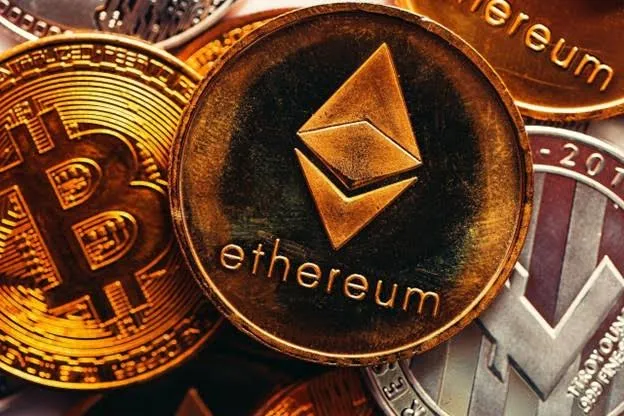
The rivalry between Bitcoin and Ethereum defines the modern cryptocurrency landscape. Bitcoin remains the dominant store of value, often compared to digital gold, while Ethereum functions as a programmable blockchain powering decentralized applications and financial systems. As of 2026, both assets continue to attract institutional and retail investment, albeit for different reasons. Bitcoin offers scarcity and macro-hedging appeal, whereas Ethereum provides utility through smart contracts and innovation. Understanding their distinct roles is critical for investors navigating a rapidly evolving digital economy shaped by both stability and technological transformation.
Foundations: First-Mover Advantage vs Programmable Innovation
Bitcoin, launched in 2009, pioneered decentralized digital currency. Its primary objective was to create a trustless, peer-to-peer financial system independent of central authorities.
Ethereum, introduced later, expanded blockchain capabilities by enabling smart contracts—self-executing agreements that run on code. This innovation transformed blockchain from a payment system into a development platform.
Core Value Proposition
Bitcoin’s value proposition is rooted in scarcity and security. With a fixed supply of 21 million coins, it is widely viewed as a hedge against inflation and currency devaluation.
Ethereum’s strength lies in its utility. It serves as the backbone for:
Decentralized finance (DeFi)
Non-fungible tokens (NFTs)
Web3 applications
Smart contract ecosystems
This fundamental difference shapes how each asset is perceived and utilized in global markets.
Technology and Network Dynamics
Bitcoin prioritizes security and decentralization over speed. Its network is robust but relatively slower, making it less suitable for complex applications.
Ethereum, by contrast, is designed for flexibility and scalability. Continuous upgrades aim to improve transaction efficiency and reduce costs, enabling it to support a wide range of applications.
However, this flexibility also introduces complexity, requiring ongoing development and adaptation.
Market Behavior and Institutional Adoption
Bitcoin has become the preferred entry point for institutional investors. Its simplicity, established track record, and recognition as a store of value make it a cornerstone of many digital asset portfolios.
Ethereum is increasingly attracting institutional interest as well, particularly due to its role in powering decentralized ecosystems. Investment flows into Ethereum often correlate with growth in DeFi and Web3 sectors.
Risk and Volatility Profiles
Both assets are volatile, but their risk profiles differ.
Bitcoin tends to exhibit relatively lower volatility compared to other cryptocurrencies, supported by its maturity and widespread adoption.
Ethereum, while offering higher growth potential, carries additional risks related to network upgrades, competition, and evolving regulatory frameworks.
The Investment Debate: Gold vs Infrastructure
The comparison often comes down to a simple analogy:
Bitcoin is digital gold—a store of value.
Ethereum is digital infrastructure—the foundation of a new internet economy.
Investors must decide whether they prioritize stability and scarcity or innovation and utility.
In many cases, portfolios include both assets to balance risk and opportunity.
Future Outlook: Complementary Growth
Rather than competing directly, Bitcoin and Ethereum are increasingly seen as complementary.
Bitcoin is expected to maintain its role as a macro asset, benefiting from global economic uncertainty and institutional demand.
Ethereum is likely to expand alongside the growth of decentralized applications, potentially capturing value from multiple industries.
Conclusion: Defining the Crypto Economy
Bitcoin and Ethereum represent two pillars of the digital asset ecosystem. One offers stability and long-term value preservation, while the other drives innovation and technological progress.
For investors, understanding their differences is essential to building a resilient strategy. As the crypto market matures, both assets are poised to play critical roles in shaping the future of finance.
Comments