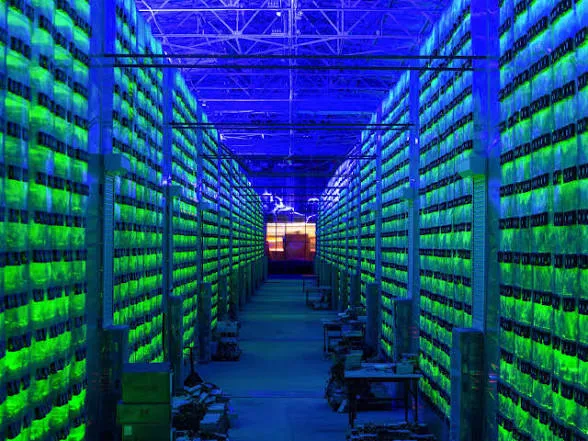
Crypto mining in 2026 is undergoing a profound transformation as rising energy costs, stricter environmental regulations, and technological advancements reshape the economics of digital asset production. What was once dominated by individual miners has evolved into a capital-intensive industry led by large-scale infrastructure operators with access to low-cost electricity and advanced hardware. Governments worldwide are introducing new compliance frameworks focused on energy consumption and financial transparency, while mining firms increasingly integrate renewable energy solutions to improve sustainability. Despite recurring concerns over profitability and regulation, crypto mining remains a critical pillar of blockchain security, with innovation driving the sector toward greater operational efficiency and institutional maturity.
The Industrialization of Crypto Mining
Crypto mining has shifted dramatically from its early decentralized roots. In 2026, mining is largely controlled by industrial-scale operations equipped with high-performance computing systems and sophisticated cooling infrastructure.
The increasing difficulty of mining major cryptocurrencies such as Bitcoin has made small-scale participation less competitive. Large operators benefit from economies of scale, access to wholesale electricity markets, and advanced supply chain agreements for mining hardware.
This consolidation has transformed mining into a specialized infrastructure business rather than a hobbyist-driven activity.
Energy Consumption and Environmental Pressure
One of the most significant challenges facing the mining industry remains energy usage. Governments and environmental groups continue to scrutinize the carbon footprint associated with proof-of-work blockchain systems.
In response, mining companies are increasingly relocating to regions with abundant renewable energy sources such as hydroelectric, solar, wind, and geothermal power. Some firms are also integrating energy recycling systems that repurpose excess heat generated by mining facilities.
Sustainability is no longer simply a public relations objective; it has become a core financial and regulatory requirement for long-term operational viability.
Regulatory Tightening Across Global Markets
Regulatory oversight of crypto mining has intensified in 2026. Authorities are focusing on taxation, energy allocation, anti-money laundering compliance, and financial reporting standards.
Some countries have embraced mining as a source of technological investment and energy monetization, while others have imposed restrictions due to concerns about power consumption and capital flight.
This fragmented regulatory environment has created a global migration pattern where mining companies strategically relocate operations based on energy costs, legal stability, and tax efficiency.
Technological Innovation and Hardware Evolution
Mining hardware continues to evolve rapidly. Application-specific integrated circuits (ASICs) are becoming more energy-efficient, delivering higher computational output while consuming less electricity per transaction validated.
Artificial intelligence and predictive analytics are also being integrated into mining operations to optimize energy usage, equipment maintenance, and profitability forecasting.
Cloud-based mining management systems now allow operators to monitor global facilities in real time, improving efficiency and reducing downtime.
Profitability Challenges and Market Cycles
The economics of crypto mining remain highly sensitive to cryptocurrency price movements. Profitability depends on several variables, including electricity costs, mining difficulty, hardware depreciation, and market volatility.
During bullish market cycles, mining revenues can expand rapidly. However, prolonged downturns often force weaker operators out of the market, accelerating consolidation within the industry.
As a result, mining firms are increasingly diversifying revenue streams through data center services, AI computing partnerships, and energy infrastructure investments.
Institutional Interest and Infrastructure Investment
Institutional investors are beginning to view crypto mining as part of broader digital infrastructure strategies. Publicly listed mining firms are attracting capital from investors seeking exposure to blockchain infrastructure without directly holding cryptocurrencies.
This institutionalization is pushing the industry toward higher standards of governance, transparency, and operational discipline.
Large mining facilities are increasingly being treated similarly to traditional industrial infrastructure assets, particularly in energy-rich regions.
The Long-Term Outlook for Crypto Mining
The future of crypto mining will likely depend on its ability to adapt to evolving technological and regulatory realities. Efficiency, sustainability, and compliance are emerging as the defining metrics of success.
While concerns about environmental impact and regulatory pressure will persist, mining remains fundamental to the security and decentralization of major blockchain networks. The sector is expected to become more professionalized, technologically advanced, and integrated into global digital infrastructure systems.
In the years ahead, crypto mining may no longer be viewed merely as a speculative activity, but as a strategic component of the broader digital economy.
Comments