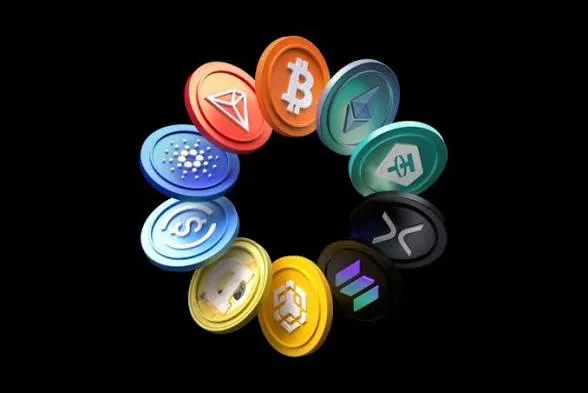
Altcoins in 2026 continue to play a major role in shaping the cryptocurrency market beyond Bitcoin, offering investors exposure to emerging blockchain technologies, decentralized applications, and digital finance ecosystems. While Bitcoin maintains dominance as the leading store-of-value asset, altcoins have become the primary drivers of innovation across sectors such as decentralized finance, gaming, artificial intelligence, and cross-border payments. However, the altcoin market remains highly volatile, with thousands of projects competing for relevance and liquidity. As regulatory scrutiny intensifies and institutional investors become more selective, the long-term success of altcoins increasingly depends on utility, scalability, ecosystem adoption, and sustainable business models.
The Expanding Role of Altcoins
Altcoins, or cryptocurrencies other than Bitcoin, have evolved far beyond their original identity as alternative digital currencies. In 2026, many altcoins function as infrastructure layers powering decentralized applications, smart contracts, and blockchain ecosystems.
Some projects focus on financial services, while others target industries such as supply chain management, cloud computing, artificial intelligence, and digital entertainment. This diversification has transformed the altcoin market into a highly competitive technology sector rather than a purely speculative trading arena.
The increasing specialization of altcoins reflects the broader maturation of blockchain technology.
Smart Contract Platforms Drive Market Activity
One of the largest categories within the altcoin market remains smart contract platforms. These blockchain networks enable developers to create decentralized applications and automate transactions without centralized intermediaries.
Competition among these platforms has intensified in 2026 as projects attempt to improve transaction speed, scalability, and energy efficiency. Investors are increasingly evaluating these ecosystems based on developer activity, user adoption, and long-term utility rather than short-term market hype.
This shift marks a gradual transition from speculative enthusiasm toward infrastructure-focused investment analysis.
Institutional Interest and Market Consolidation
Institutional participation in altcoins has grown, but the approach remains highly selective. Large investors are focusing primarily on projects with strong liquidity, transparent governance, and real-world use cases.
As a result, market consolidation is becoming more visible. Established altcoins with functioning ecosystems are attracting capital, while weaker projects struggle to survive in a more regulated and competitive environment.
This trend is reducing the number of purely speculative tokens dominating market attention and increasing the importance of operational sustainability.
Regulation and Compliance Pressures
Regulatory scrutiny is one of the defining themes shaping altcoins in 2026. Governments worldwide are introducing stricter frameworks around token issuance, investor protection, and anti-money laundering compliance.
Projects lacking transparency or clear utility face increasing legal and operational challenges. At the same time, compliant altcoin ecosystems may benefit from improved investor confidence and broader institutional access.
The regulatory divide is creating a clearer separation between structured blockchain projects and high-risk speculative ventures.
Meme Coins and Community-Driven Markets
Despite growing institutional discipline, meme coins continue to influence the altcoin market. Community-driven tokens remain highly popular among retail traders, often experiencing sharp price movements driven by social media trends and online engagement.
However, volatility in this segment remains extremely high. While some meme-based projects are attempting to build ecosystems and practical use cases, many continue to rely heavily on speculation and market sentiment.
This dynamic reflects the dual nature of the altcoin market: technological innovation on one side and speculative behaviour on the other.
Artificial Intelligence and Blockchain Integration
A major emerging trend in 2026 is the integration of artificial intelligence with blockchain-based ecosystems. Several altcoin projects are positioning themselves at the intersection of AI computing, decentralized data processing, and autonomous digital systems.
These projects aim to support machine learning infrastructure, decentralized AI marketplaces, and secure data-sharing mechanisms. Although still developing, this segment is attracting significant investor interest due to the rapid global expansion of AI technologies.
The convergence of AI and blockchain may become one of the defining narratives of the next altcoin cycle.
Risks Facing the Altcoin Market
Despite strong innovation potential, altcoins remain highly risky investments. Price volatility, technological failures, regulatory intervention, and cybersecurity threats continue to impact the sector.
Liquidity fragmentation is another challenge, as thousands of competing tokens divide market attention and investment capital. Investors are increasingly demanding measurable adoption metrics and sustainable revenue models before committing long-term capital.
This environment is pushing the industry toward higher standards of accountability and execution.
The Future of Altcoins
The future of altcoins will likely be shaped by utility, interoperability, and regulatory adaptability. Projects capable of solving real-world problems while maintaining strong developer communities are expected to dominate long-term market growth.
While speculative cycles will continue to influence short-term valuations, the broader market is gradually moving toward maturity. In 2026, altcoins are no longer viewed solely as alternatives to Bitcoin—they represent the experimental and innovative frontier of the digital economy.
Comments